Top 5 Affordable House Flipping Mistakes to Avoid in New Jersey
NC
Understanding Local Market Trends
One of the most crucial aspects of house flipping in New Jersey is understanding the local market trends. Failing to do so can lead to significant financial losses. Before purchasing a property, research recent sales in the area, the average time homes stay on the market, and the types of properties that are selling well.
New Jersey's real estate market can vary greatly from one city to another. What works in Newark might not be as successful in Trenton. Stay informed about the specific dynamics of each area to make educated investment decisions.
Underestimating Renovation Costs
Another common mistake is underestimating renovation costs. It's crucial to have a detailed budget before starting any project. Include all potential expenses such as materials, labor, permits, and unexpected repairs.
To avoid financial pitfalls, always add a buffer of at least 10-20% to your estimated costs. This cushion will help you cover any unforeseen expenses that might arise during the renovation process.
Ignoring Legal Requirements
Each state has its own set of regulations when it comes to real estate, and New Jersey is no exception. Ignoring these legal requirements can lead to costly fines or delays. Ensure you have all the necessary permits and adhere to local building codes.
Consult with a real estate attorney or an experienced local contractor to ensure compliance with all legal obligations. This step will save you from potential legal headaches down the road.

Selecting the Wrong Contractor
Choosing the right contractor is crucial for a successful house flip. A common mistake is selecting a contractor based solely on price. While staying within budget is important, the cheapest option may not always be the best.
Look for contractors with a solid reputation and proven track records. Reading reviews, asking for references, and viewing past projects can help ensure you find a reliable professional.
Over-Improving the Property
While it's tempting to go all out with renovations, over-improving a property can be a costly mistake. Keep in mind the standards of the neighborhood. Adding high-end features to a house in a modest area may not yield a good return on investment.
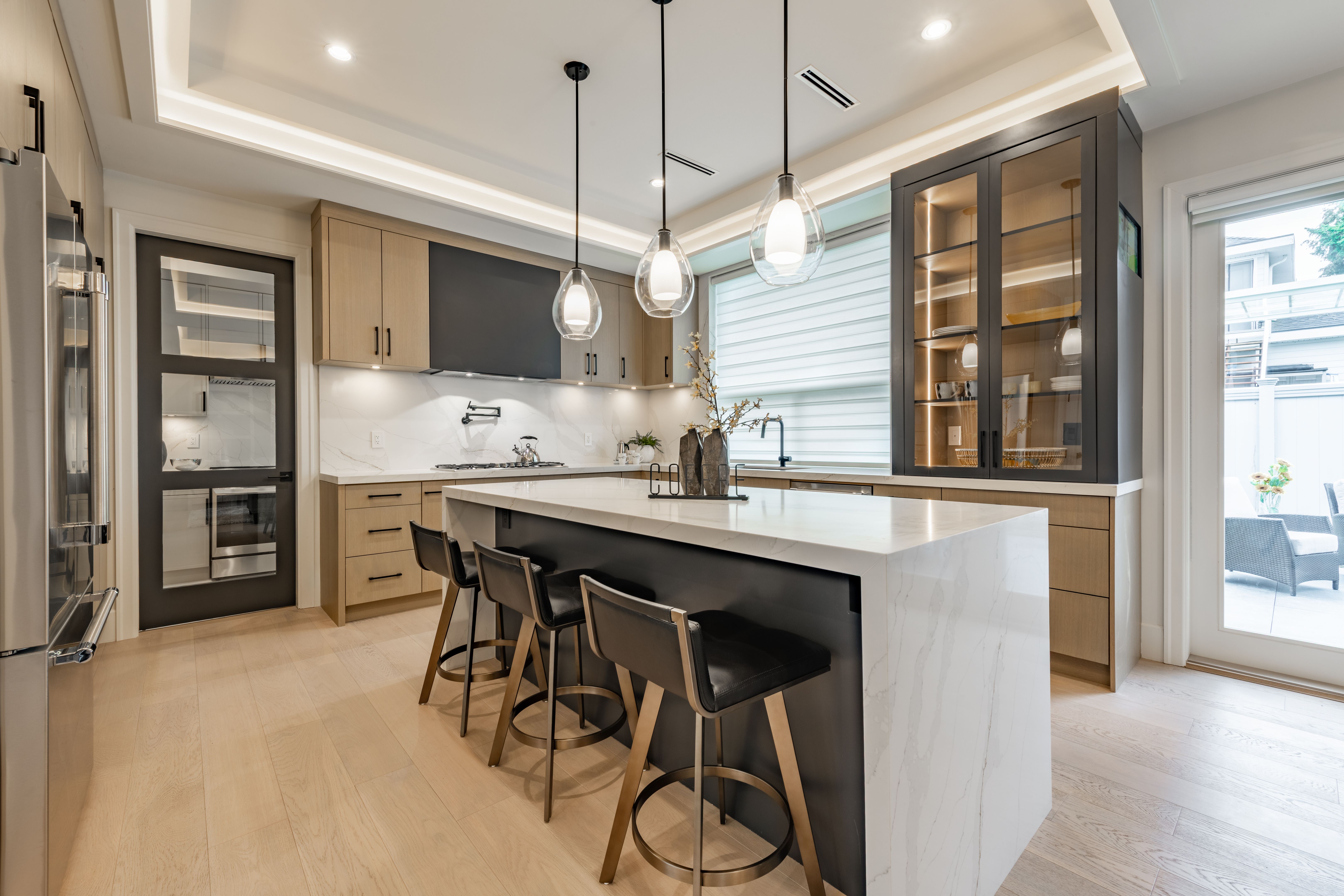
Focus on improvements that will add genuine value, such as updating kitchens and bathrooms, enhancing curb appeal, and ensuring the property is structurally sound.
Conclusion
Flipping houses in New Jersey can be a profitable venture if done correctly. By avoiding these common mistakes, you can increase your chances of success and ensure a smooth and profitable house flip. Always stay informed, plan meticulously, and work with experienced professionals to navigate the complexities of the real estate market.